
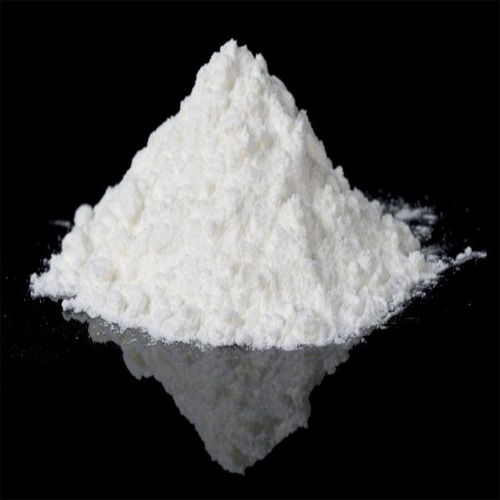
titanium dioxide
1200 USD ($)/Metric Ton
Product Details:
- Chemical Composition TiO2 (Titanium Dioxide)
- Product Type Pigment Powder
- Material Titanium Dioxide
- Shape Powder
- Purity 99% Min
- Moisture 0.5% Max
- Application Paints, Plastics, Paper, Ink, Coating
- Click to View more
X
titanium dioxide Price And Quantity
- 10 Metric Ton
- 1200 USD ($)/Metric Ton
- 3.9 - 4.1 g/cm
- Rutile / Anatase
- 2 Years
- ISO 9001 Certified
- 13463-67-7
- 22 g/100g
- Alumina / Silica (as applicable)
- Excellent
- 25 kg Bag / Jumbo Bag
- 98% Min
- 0.05% Max
- 6.5 - 8.0
titanium dioxide Product Specifications
- Titanium Dioxide
- Paints, Plastics, Paper, Ink, Coating
- TiO2 (Titanium Dioxide)
- Powder
- 99% Min
- Custom as required
- 0.5% Max
- White
- Pigment Powder
- 3.9 - 4.1 g/cm
- Rutile / Anatase
- 2 Years
- ISO 9001 Certified
- 13463-67-7
- 22 g/100g
- Alumina / Silica (as applicable)
- Excellent
- 25 kg Bag / Jumbo Bag
- 98% Min
- 0.05% Max
- 6.5 - 8.0
titanium dioxide Trade Information
- Durban Port South Africa
- 100 Metric Ton Per Week
- 2 Week
- Contact us for information regarding our sample policy
- Asia, Australia, Central America, North America, South America, Eastern Europe, Western Europe, Middle East, Africa
- All India
Product Description
Specification
Exceptional Whiteness and Dispersion
Titanium dioxide exhibits a minimum whiteness of 98% and is optimized for excellent dispersion, ensuring consistent color intensity and coverage in end products. Its fine powder form results in smooth blending across various mediums, making it a preferred choice for demanding industrial applications.
Versatile Industrial Applications
This TiO2 grade is widely employed in the manufacture of paints, plastics, paper, inks, and coatings. Its high purity and specific surface treatments allow for enhanced durability, UV resistance, and improved optical properties, catering specifically to stringent industry requirements.
Quality Control and Packaging Options
With ISO 9001 certification, our titanium dioxide undergoes strict quality control, guaranteeing reliability in every batch. It is packaged securely in 25 kg bags or jumbo bags, with customized dimension options to suit specific logistical or production needs, promoting both safety and convenience for end users.
FAQ's of titanium dioxide:
Q: How is titanium dioxide used in the manufacture of paints and coatings?
A: Titanium dioxide provides superior whiteness, opacity, and brightness to paints and coatings. Its excellent dispersion ensures an even color distribution, while its UV resistance enhances product durability, making it an essential pigment for both decorative and protective coatings.Q: What are the benefits of using rutile or anatase grade titanium dioxide in industrial applications?
A: Rutile grade offers higher UV resistance and weatherability, ideal for outdoor paints and coatings, while anatase grade excels in whiteness and is suitable for indoor applications. Both grades support high-purity requirements and outstanding optical properties, improving product performance.Q: When should I consider surface-treated titanium dioxide for my application?
A: Surface treatments with alumina or silica should be considered for applications demanding enhanced dispersion, improved stability, or increased resistance to environmental factors. These treatments are especially useful in high-performance paints, plastics, and laminated products.Q: Where is this titanium dioxide sourced and distributed from?
A: This titanium dioxide is manufactured, supplied, exported, and distributed by certified companies in South Africa, ensuring easy access and consistent supply for domestic and international clients.Q: What is the recommended storage process and shelf life for titanium dioxide powder?
A: Titanium dioxide should be stored in a cool, dry, and well-ventilated area in its original sealed packaging to prevent moisture uptake or contamination. The shelf life of this product is two years when properly stored.Q: How does the oil absorption value affect the performance of titanium dioxide in formulations?
A: An oil absorption value of 22 g/100g means that titanium dioxide requires less binder or oil in formulations, allowing for higher pigment loading and improved coverage, while maintaining the desired consistency in paints, inks, and coatings.Tell us about your requirement

Price:
Quantity
Select Unit
- 50
- 100
- 200
- 250
- 500
- 1000+
Additional detail
Mobile number
Email

Other Products in 'Metal Mineral Products' category

Contact Us

- Jacob Industrial Park, 166 Bluff Rd Mobeni East Durban,Johannesburg - 4059, Gauteng, South Africa

- Mr Tamlyn Rose De-Monse (Director)
- Mobile : +27686556828
-
 Send Inquiry
 Send Inquiry
 Send Inquiry
L D Diagnostics Pvt. Ltd.
All Rights Reserved.(Terms of Use)
Developed and Managed by Infocom Network Private Limited.
Developed and Managed by Infocom Network Private Limited.

